

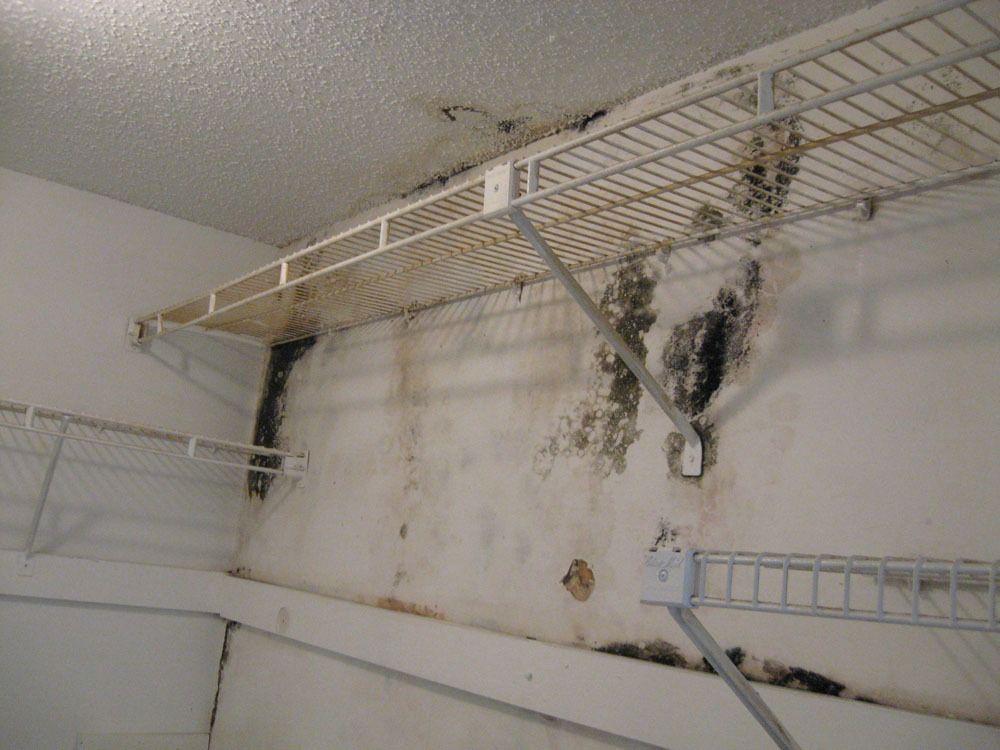
Water Heater Leaks in Condominium

Share this article

We have received many emergency water damage phones calls with regard to water heater leaks that occur from the upper floors of a condominium building. In many cases, if not detected immediately, this type of leak will affect the units below where the leak originated.


Even a small size water heater can hold 30 gallons of water. Naturally, that much water can cause some serious damage. For example, if the tank develops a leak, it could be a non-stop drip or stream of water being released until the tank is empty. However, if the leak goes undetected and the water shut-off valve is not closed immediately, the water in the tank will continue to replenish, making a huge mess especially if you not living there full-time to notice it.


Besides the water damage mess this can cause to your unit, you may also be liable for the water damage caused to all the units affected that are below you. As you know, water will continue to travel until it has found its resting place and we have seen as many as 10 units affected from one water heater leak. A leak of this type does not shrink or go away on its own, in time, it will get significantly work so it’s important to respond quickly to fix the problem.


Some of the signs of a leak from your hot water heater may include:

  1. Water on the floor around the hot water heater;
  2. Discoloration of the floor and/or wall around the hot water heater;
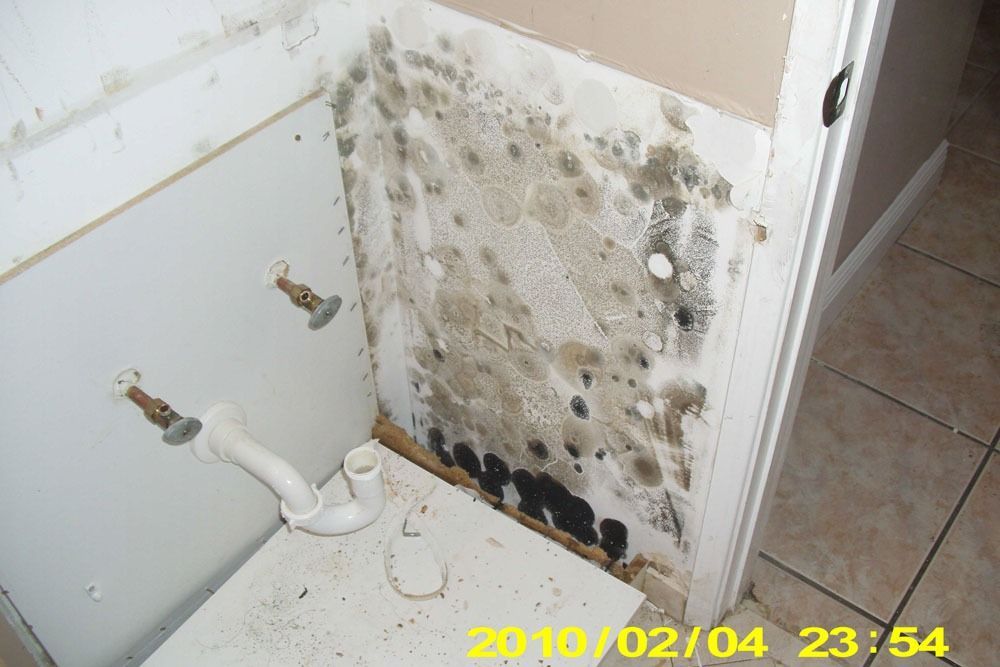
  3. Mold on the floor and/or wall around the hot water heater;
  4. A musty odor in the area where your hot water heater is located. A musty odor is a sign of mold, and if you smell that odor, it means you likely have mold somewhere in your home, even if you don’t see it. Since mold often grows in hard-to-spot areas, like inside walls, under carpet and linoleum, and inside heating and ventilation ducts, it’s not unusual to smell mold but not see it.


Sometimes it’s difficult to tell if your hot water heater is leaking or if something else is going on. Condensation around the hot water heater can sometimes make the floor wet and cause mold to begin to grow.


Once you have confirmed it is the water heater that is leaking, pay attention to the location of the leak, is it coming from the top or bottom of the heater?


Some things you should do immediately to prevent further damage:

  1. Turn the power off to the water heater at the circuit breaker – water and electricity are a dangerous combination;
  2. Turn off the water supply to the heater at the cold water shut off valve – most water heaters will have a valve located above the water heater (by code they are required to be here) that will shut off the water supply. This valve will either have a handle that you have to pull down, or a gate valve (essentially a dial) that you will have to turn clockwise to close. If you have a large, serious leak and cannot reach the water shut-off valve safely then you should find the main shut-off valve for the property and close it to stop the water supply to your water heater. Shutting the water off should slow and may even stop the leak depending on where it is coming from.


It is highly recommended that you call a professional plumber to repair the water heater.


If mold has not formed, but you have wet building materials such as drywall, baseboard, or a laminate floor, for example, it is a good idea to have a water damage mitigation specialist place air movers and dehumidifiers in the area of the leak to dry out the wet building materials before mold begins to grow.

Recent Posts

Water And Mold Restoration
May 18, 2026
Mold is a common problem experienced in homes and places of work, especially in environments where water or moisture is present. If you have seen mold develop in your home or workplace, you might be wondering what you will do to get rid of it.
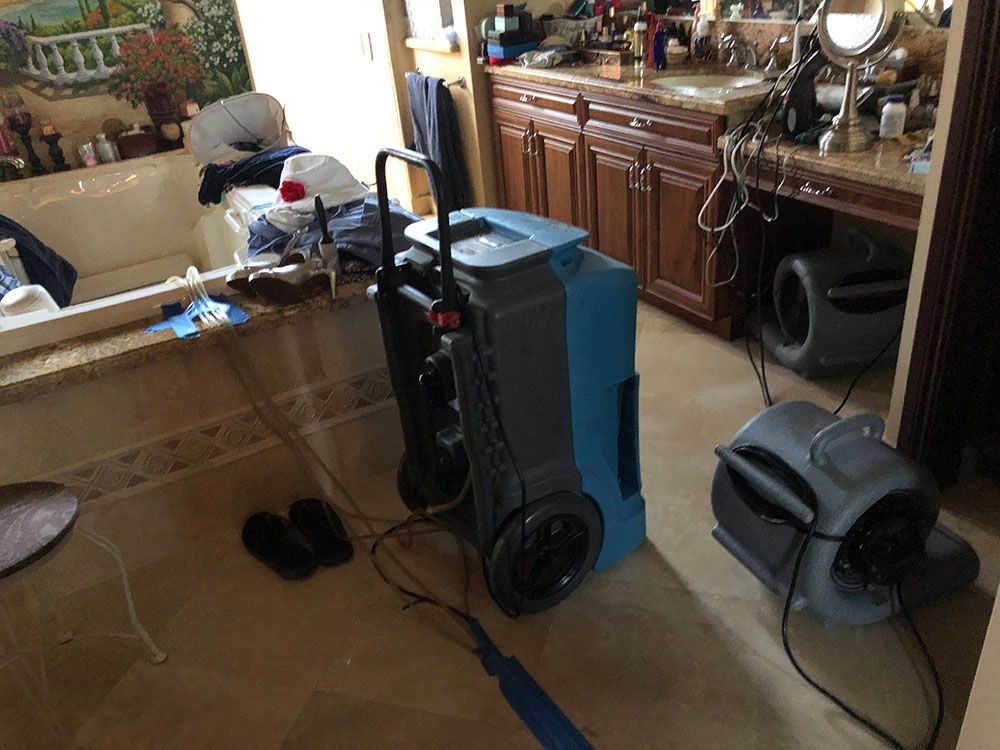
Water Damage Restoration Company
May 16, 2026
Water damage requires quick action – regardless of whether it occurs suddenly or has developed gradually over a longer period.
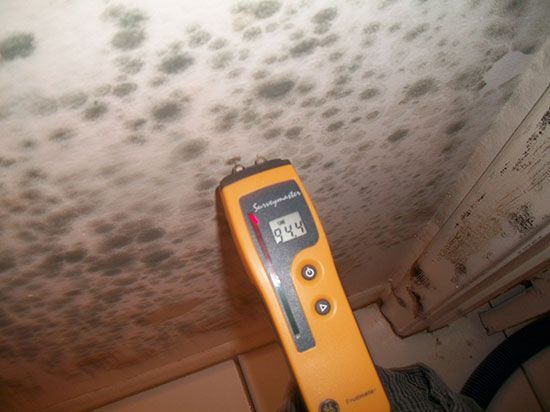
Water Damage Mold
May 16, 2026
Mold is often stubborn and often reappears in the same place after a few weeks. This is because many do not know the causes and therefore do not fight the mold properly.
Mold Remediation Companies
May 16, 2026
Mold remediation companies in South Florida don’t always have the best reputation. Consequently, you always need to check reviews to help find the best mold remediation company.
6 Common Reasons You Have Mold in Your Home
May 16, 2026
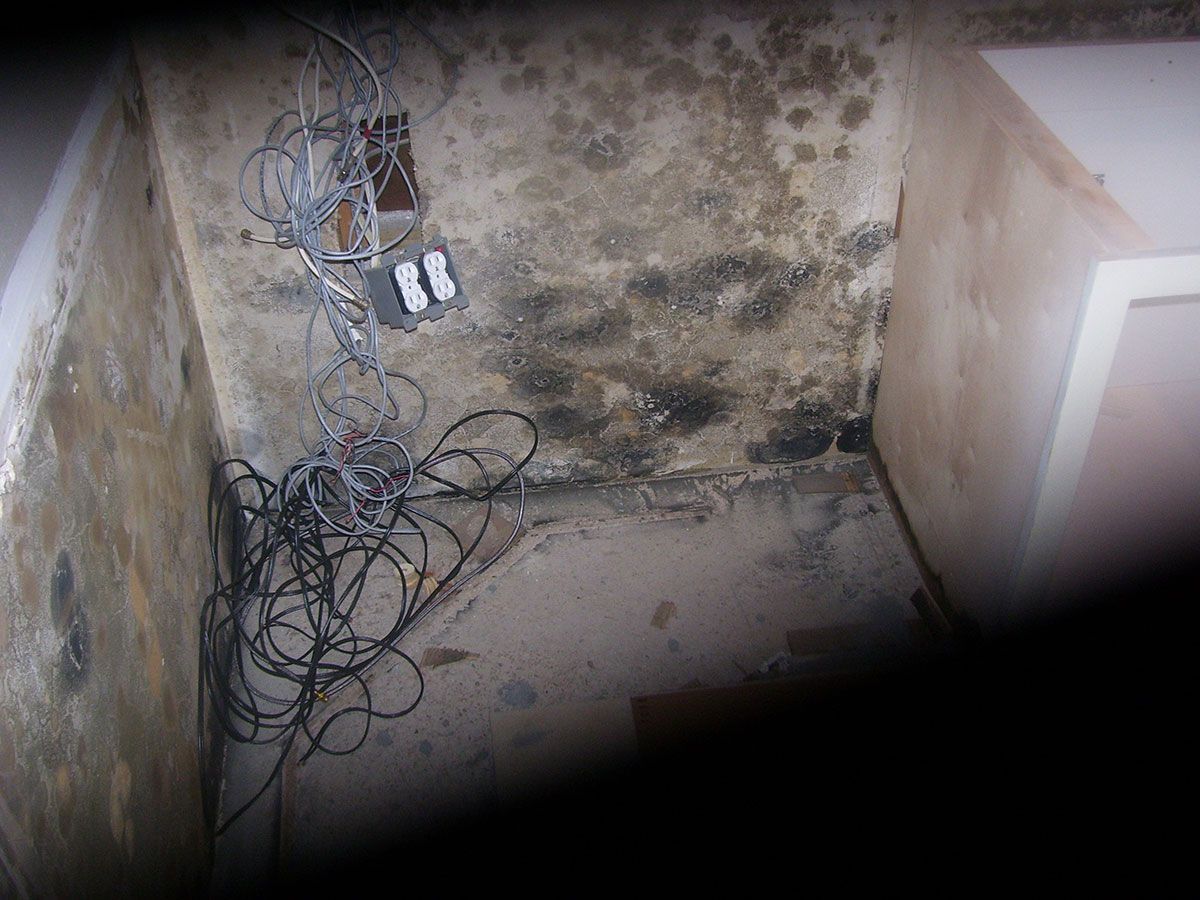
Mold in your home is unsightly, damaging, and dangerous. It ruins the structural integrity of your walls and, if left untreated, it can even lead to health problems.

Do I Have To Use Insurer-Preferred Vendors?
May 16, 2026
When faced with an emergency water damage clean-up or fire/smoke damage to your property, who do you call… what should you do?
Living with South Florida Tropical Storms
May 16, 2026
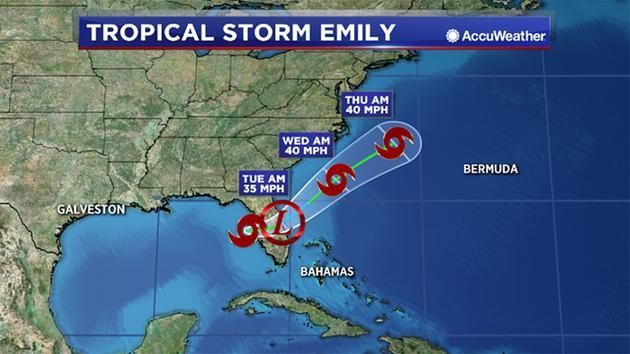
Living in South Florida, we experience tropical storms that roll in quickly, some which sit over us for a few days, and others that pack a strong wind gust along with constant rain.
Review Your Policy Coverage, Limits
May 16, 2026
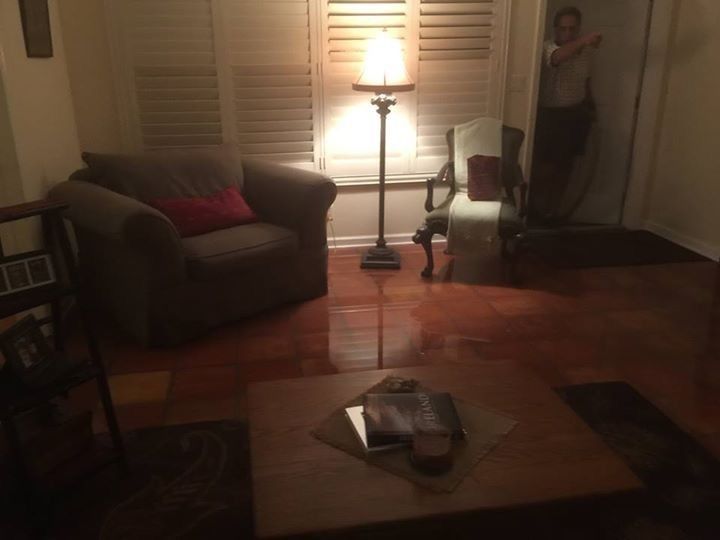
As we rapidly approach hurricane season, something to do ahead of time is to review your insurance policy, review the policy limits, and coverage.
Video: Remediation Carpet Installation
May 16, 2026
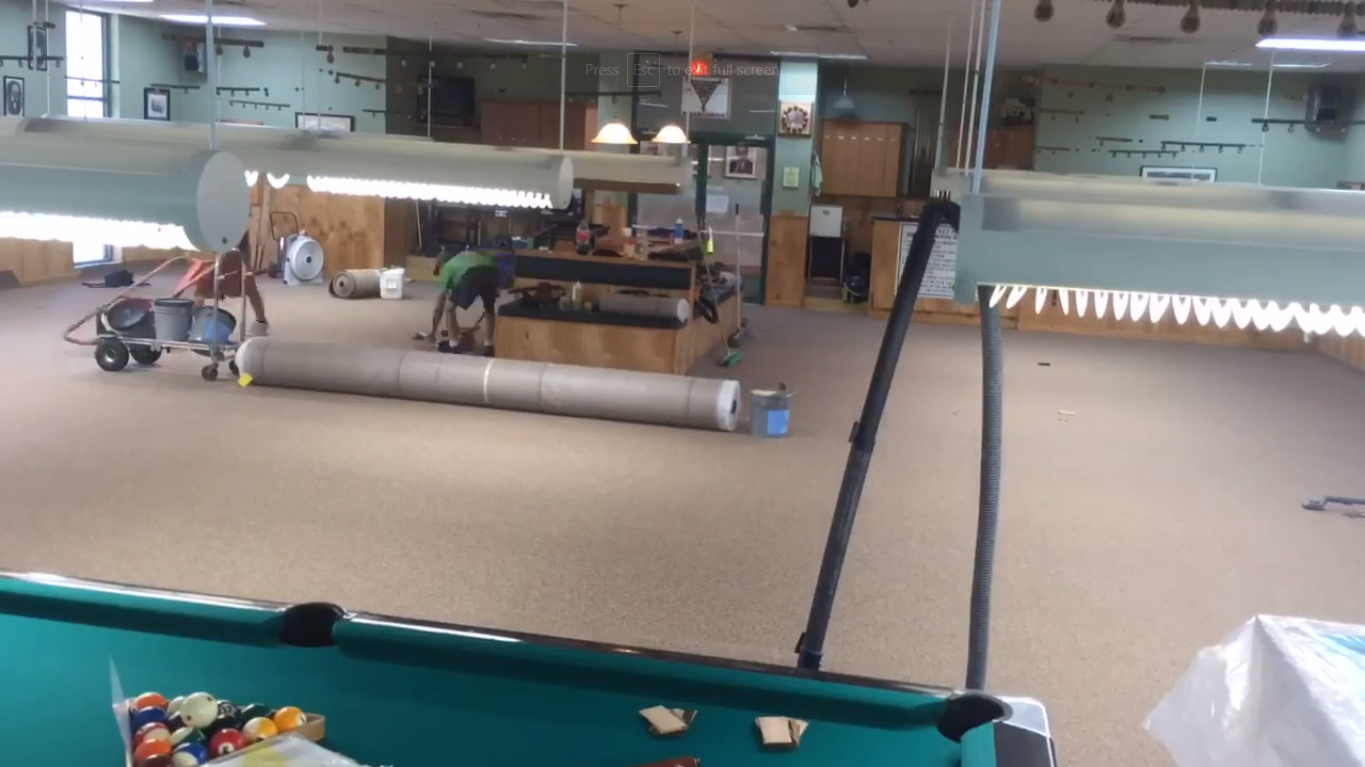
The above video shows the pool hall at a large, local community that sustained a large amount of water damage. As a result, the existing glue down carpet had to be removed and replaced. In order to begin the work, all pool tables had to be professionally removed.
Uncovering Hidden Mold
May 16, 2026
When we think about the areas where hidden mold can develop, there are many locations that may not be easily recognizable.

Show More