Experiencing a water heater leak or any other South Florida water damage can be very frustrating. For example, the water can leak inside the wall detected and travel around the perimeter. Consequently, it becomes visible either by evidence of standing water, or by visible mold growth. For example, you may see the mold on the walls, baseboard and/or carpet. Naturally, this is especially concerning for people who own or live in apartments or condominiums. Of course, the leak will almost always penetrate through to the floors below. If gone undetected, it can cause a tremendous amount of water damage and mold growth. For all those property owners that live in South Florida only part-time, this story is an eye opener: the wall undetected and travel around the perimeter of the room until it becomes visible either by evidence of standing water, or by visible mold growth on the walls, baseboard and/or carpet. This is especially concerning for people who own or live in apartments or condominiums as the leak will almost always penetrate through to the floors below. If gone undetected, it can cause a tremendous amount of water damage and mold growth. For all those property owners that live in South Florida only part-time, this story is an eye opener:
Case Study:
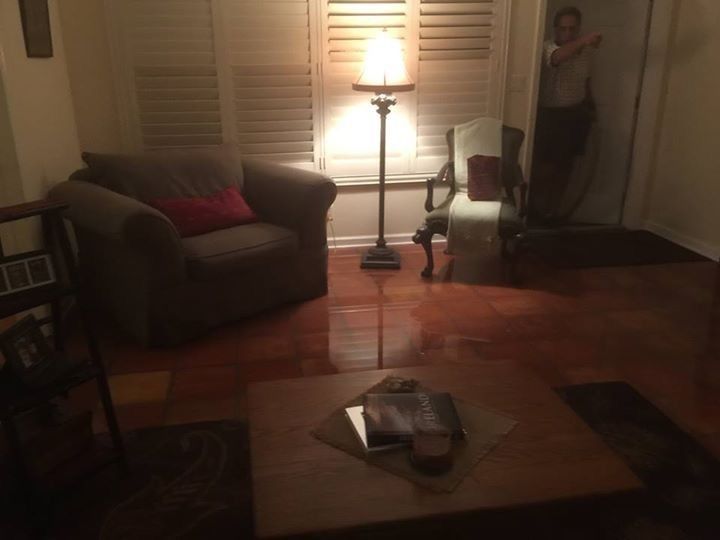
A few years ago, we received an emergency call from the owner of a local condominium who lived in another state most of the time. The owner had received a bill from FPL and the amount of the bill was unusually high considering they only live here for a few months out of the year. The owner sent someone in the unit to adjust the thermostat as FPL suggested. When the unit door was opened, water came pouring out, and at least 2-3 inches of standing water was seen throughout the unit.
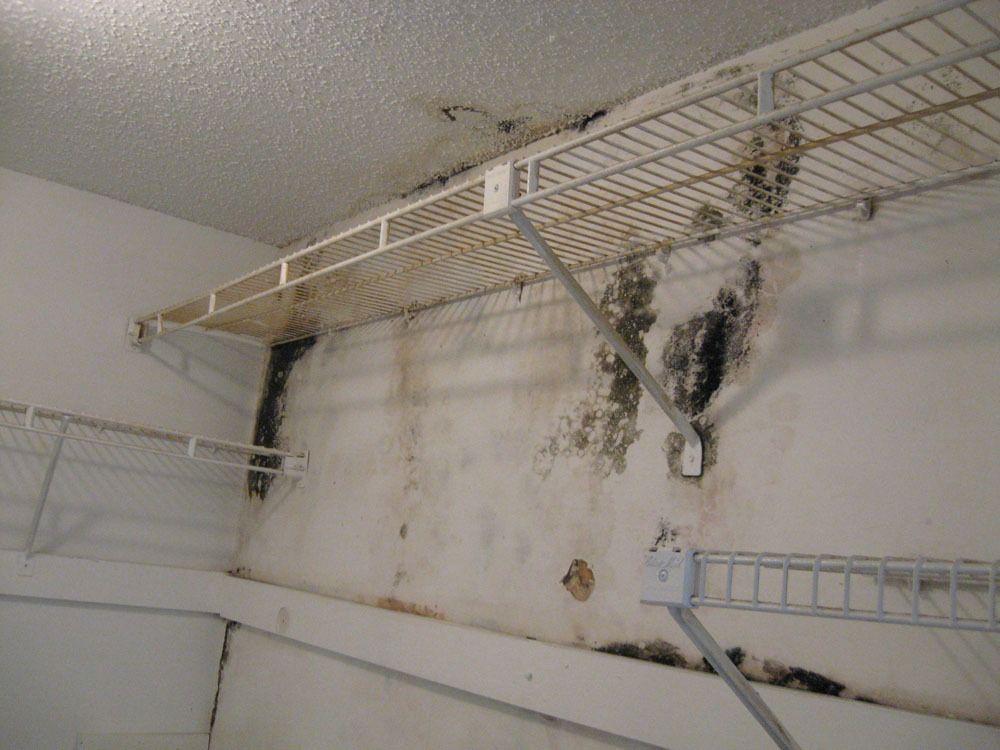
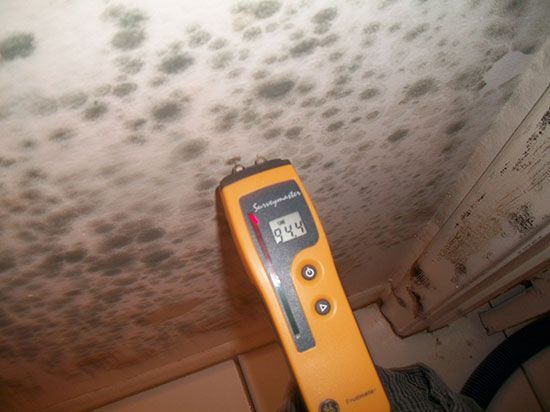
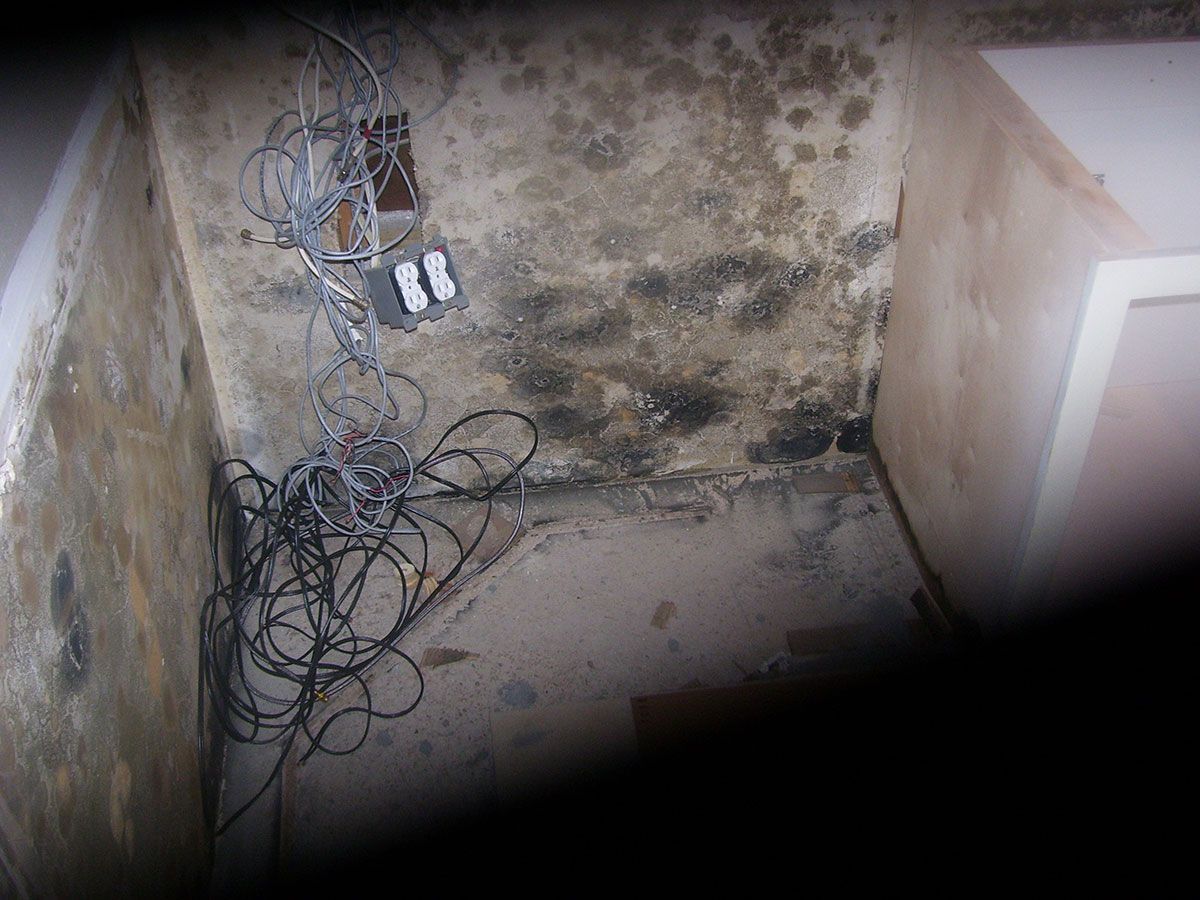
The cause of the problem: the water heater was leaking, and the heating element inside the water heater was working overtime to heat the new water entering the tank, thus a large electric bill. The water had been leaking for quite some time as the walls from floor to ceiling were covered with visible mold growth. In addition, the ceilings were also moldy from the condensation which developed from the air space becoming fully saturated with humidity as a result of the standing water. All of the contents inside the unit such as photographs, books, furniture, linens were all water and mold damaged and could not be salvaged at all.
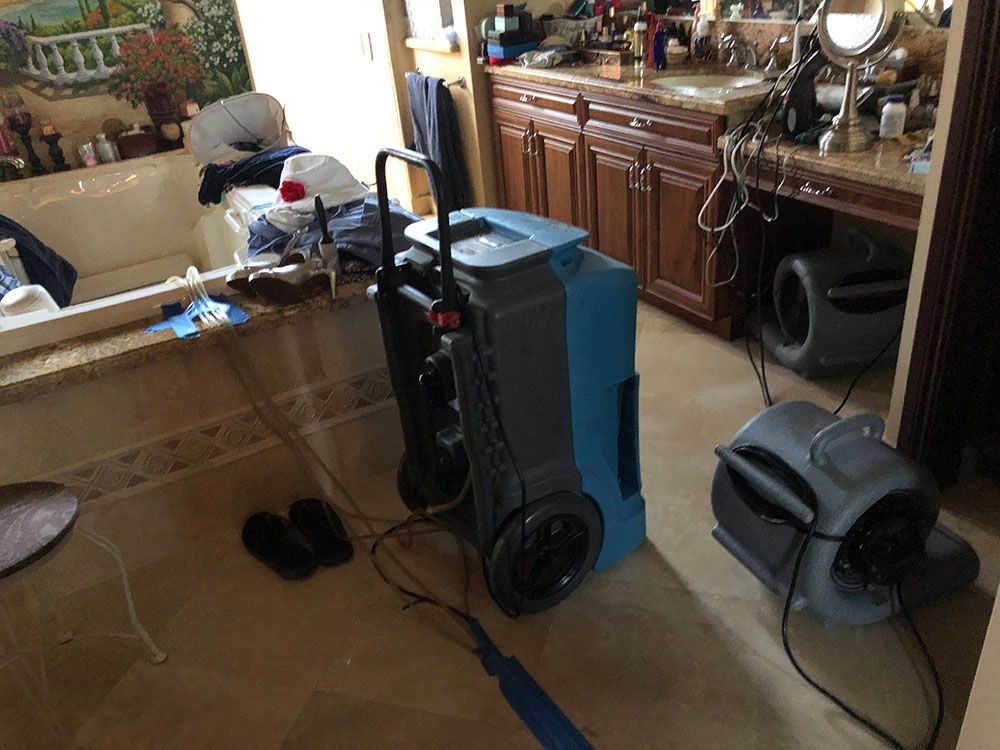
After shutting off the main valve to the water heater, the first course of action was to remove all the standing water with powerful truck mounted water extraction equipment. Then, we placed large commercial grade dehumidifiers throughout the unit to remove the moisture in the air and bring the humidity inside the unit down to below 60%. Humidity levels above 60% inside a property have a greater risk of developing or growing mold, recommended humidity levels should be 40-60%.
Due to the significant mold detected, we did not use air movers (fans) to dry out the unit as we normally would. The reason being that air movers would only serve to blow the mold spores around the air and make it a more difficult environment for the workers to complete the water damage restoration and subsequent mold remediation.
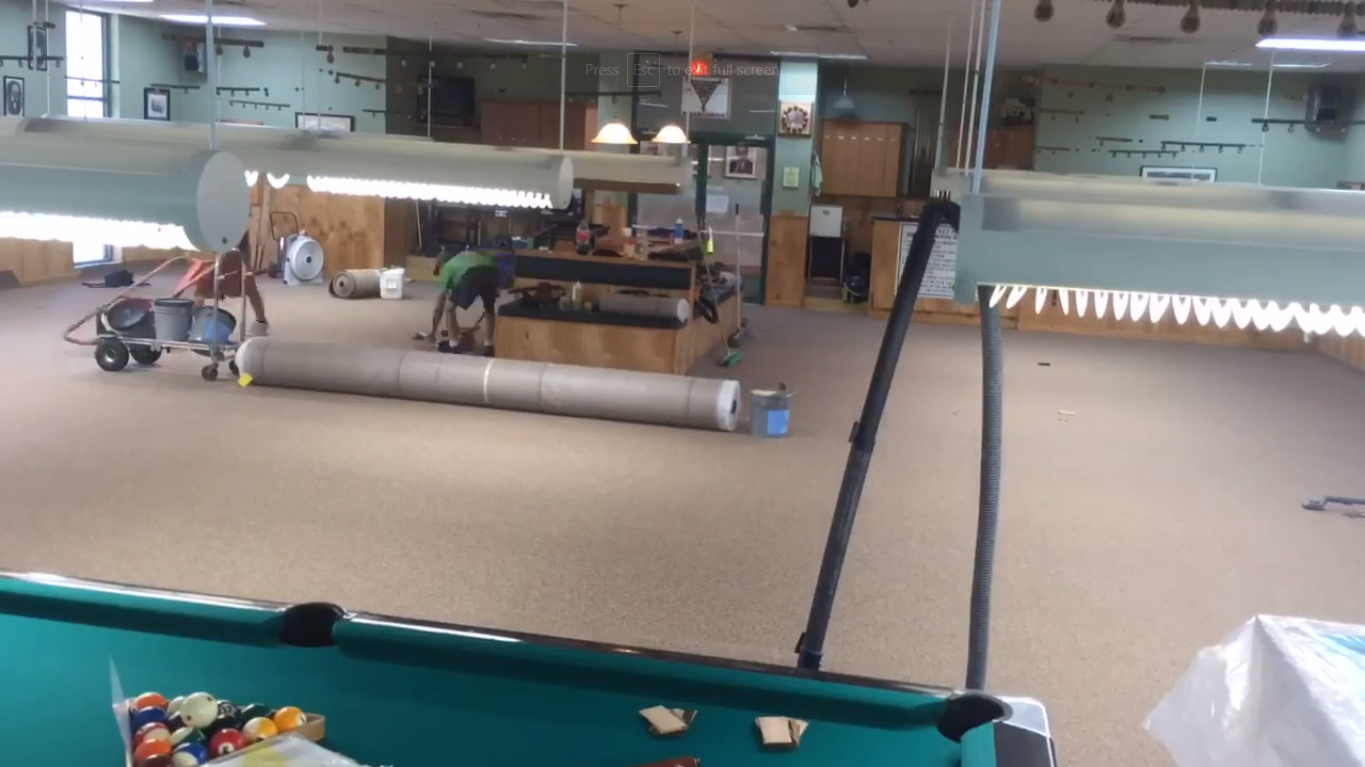
Once the humidity levels were within normal range, the entire unit was demolished, all contaminated walls, bathrooms, kitchen, and baseboards were safely removed and discarded. Once all mold contaminated building materials were removed, we utilized commercial grade air scrubbers to recycle the air, and we proceeded to micro clean and hepa vacuum the entire unit, all horizontal and vertical surfaces, and applied antimicrobial solution to all areas.
Luckily, the owner had homeowners insurance to cover the cost of the
water damage restoration, mold remediation and reconstruction; however, they were slightly under-insured, and did not get the full value of all their contents that were destroyed. We worked closely with the insurance adjuster to agree on the scope of work necessary to restore the property, and the owner agreed to sign a Direct Insurance Billing authorization. As a result, the owner received a fully reconstructed unit without any out of pocket expense to them for our services.
Some lessons learned from this case study are:
1. schedule someone to check the inside of your property regularly if you are absent from the property for any length of time;
2. consider shutting the main water valve off while you are away;
3. review your homeowners insurance policy, make sure you have:
(a) mold coverage – minimum coverage of $10,000
(b) confirm your coverage limit is sufficient should you experience a total loss including drywall, baseboard, bathrooms, kitchen, flooring, and personal contents, this can add up quickly!
Most importantly, if you have a flood, water damage, or in need of a mold remediation, call South Florida Water and Mold Restoration, Inc. as soon as possible in order to minimize the potential for South Florida water damage.